
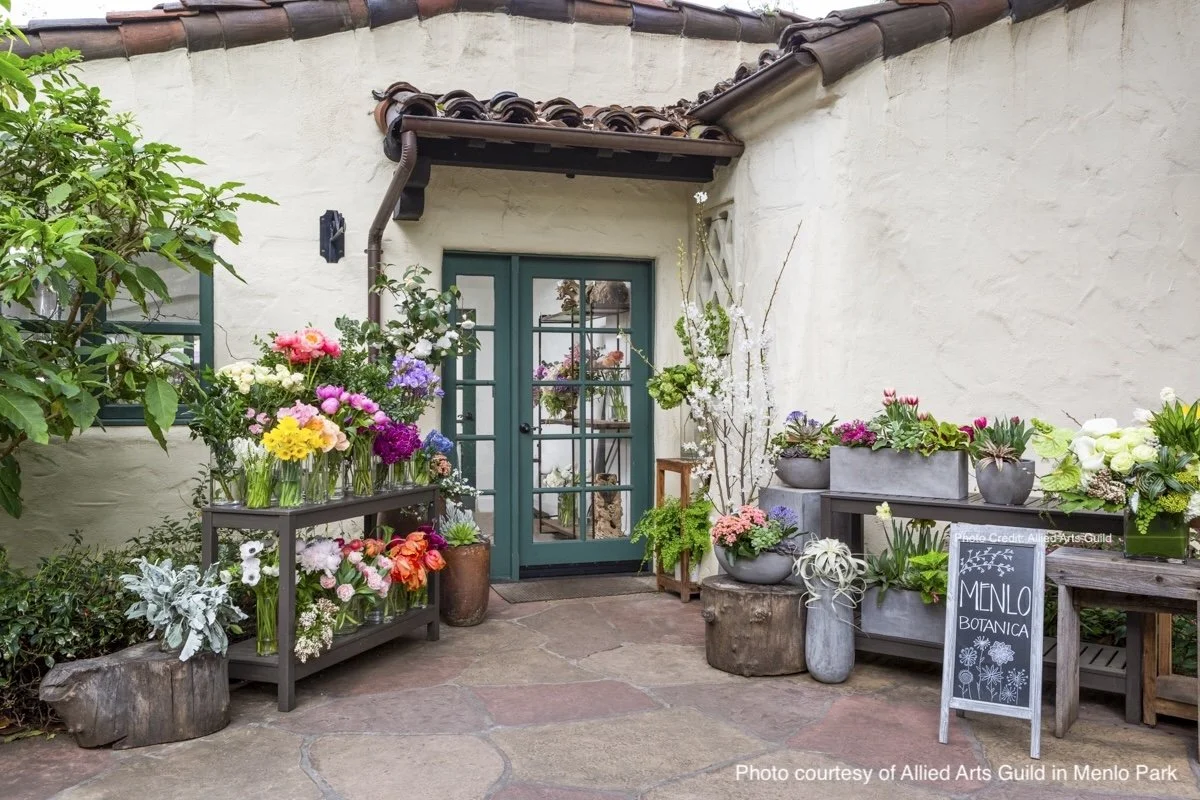
Menlo Park | A High-Quality Residential Community Next to Stanford
Academic Influence · Venture Capital Presence · Peaceful Living
Located just north of Stanford University, Menlo Park is one of Silicon Valley’s most intellectually active residential communities. The city reflects the academic culture and innovation that flow naturally from Stanford, while maintaining a stable, well-established neighborhood environment shaped by long-term homeowners.
Compared with Palo Alto’s broader urban feel or Atherton’s emphasis on extreme privacy, Menlo Park offers a different balance. It sits between campus life, venture capital activity, and everyday residential living—quiet and well-organized, yet closely connected to ideas, investment, and decision-making that shape Silicon Valley.
Highlights
The character of Menlo Park is shaped by the long coexistence of academic depth, innovation, and a high quality of daily life. Located next to Stanford University and alongside Sand Hill Road, one of the world’s most influential venture capital corridors, the city nevertheless maintains quiet residential streets, stable neighborhoods, and a lifestyle centered around family and everyday living.
Menlo Park also holds a distinctive place in California’s lifestyle history. Sunset Magazine, long associated with the California way of living, was founded here. Its emphasis on gardens, family life, and seamless indoor–outdoor living continues to influence the city’s residential design and lifestyle sensibilities today.
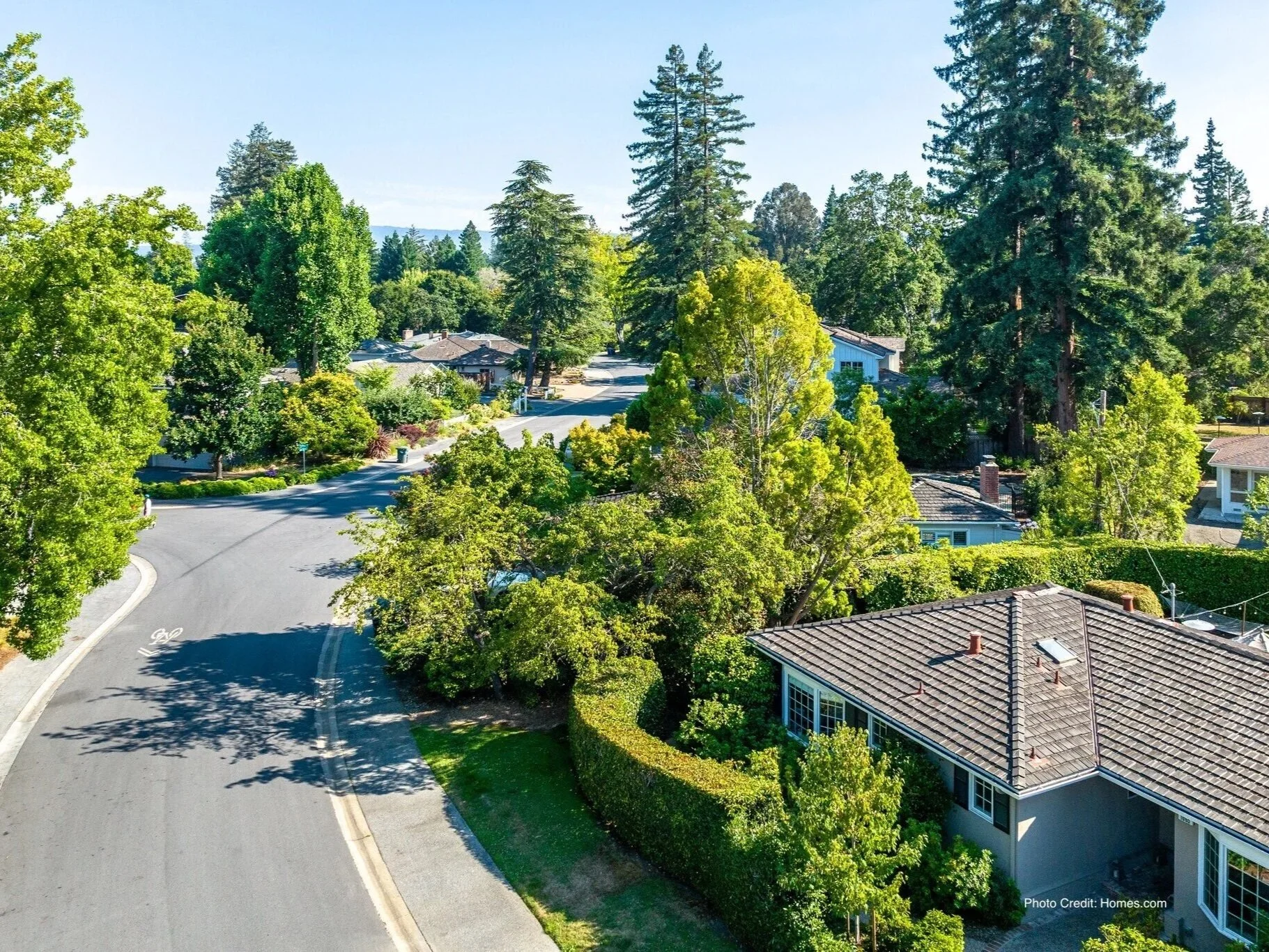
Rather than standing out through scale or spectacle, Menlo Park distinguishes itself through everyday details: clean and quiet streets, carefully maintained front and back gardens, established neighborhoods, and a shared commitment to long-term livability. This environment allows the city to sustain a high concentration of academic and professional activity while preserving a calm, balanced pace of life.
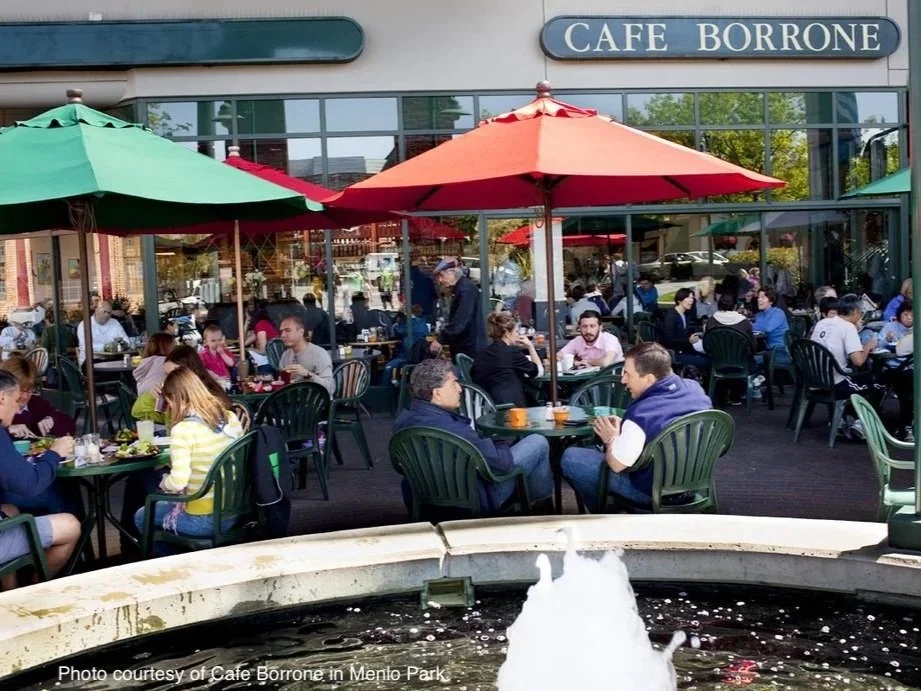
Here, Stanford professors, technology professionals, and investors blend naturally into the community. In local cafés, parks, and neighborhood streets, residents experience a California lifestyle that is unpretentious, enduring, and quietly woven into daily life.
Education Resources
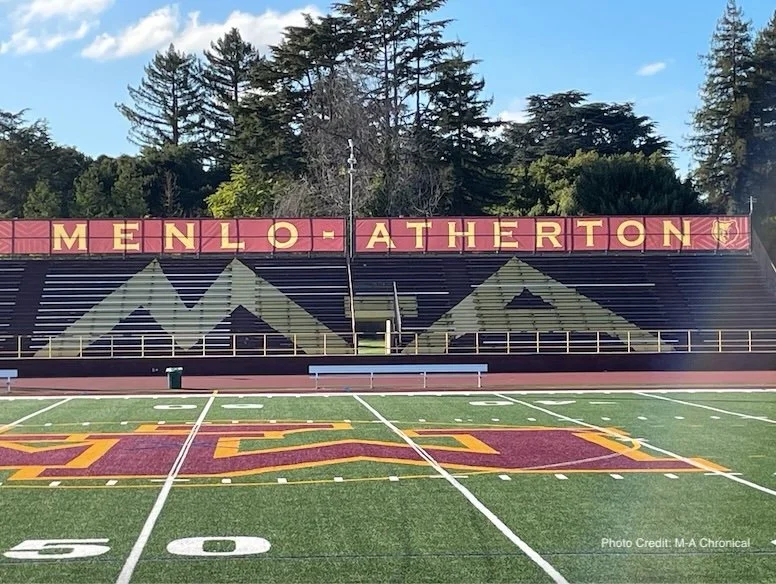
Education in Menlo Park is generally strong, but it is important to note that the city does not operate under a single unified school district. School assignments vary by neighborhood, and education pathways are determined by the specific property address.
Common K–8 school districts serving Menlo Park include:
Menlo Park City School District (MPCSD)
Serving many of the city’s established residential neighborhoods, MPCSD is well regarded by local families and characterized by a high proportion of long-term owner occupancy.Las Lomitas Elementary School District (LLESD)
Spanning parts of Menlo Park and Atherton, this district is known for its strong academic focus and is often favored by families with a high level of educational involvement.Redwood City School District (select areas)
Certain neighborhoods fall within this district, and the educational experience may differ from that of the more traditional Menlo Park school zones.
At the high school level, students typically attend schools within the Sequoia Union High School District (SUHSD), with specific school assignments again determined by address.
In addition to public options, Menlo Park is surrounded by a broad selection of well-established private schools, offering families flexibility for those seeking alternative academic environments or long-term educational planning.
Living & Real Estate
Residential real estate in Menlo Park is defined by mature neighborhoods, stable demand, and long-term value retention. Unlike the estate-scale properties of Atherton or the ultra–low-density profile of Woodside, Menlo Park places greater emphasis on livability—balancing long-term owner occupancy with everyday convenience.
Typical residential characteristics include:
Predominantly single-family homes within established neighborhood layouts
A wide range of architectural styles, including Craftsman, Mid-Century, traditional homes, and newer modern construction
Moderate lot sizes, with an emphasis on usable backyards and family-oriented outdoor space
Tree-lined streets and clearly defined neighborhood boundaries
A high proportion of long-term ownership, contributing to a measured and rational market pace
Key residential areas within Menlo Park include:
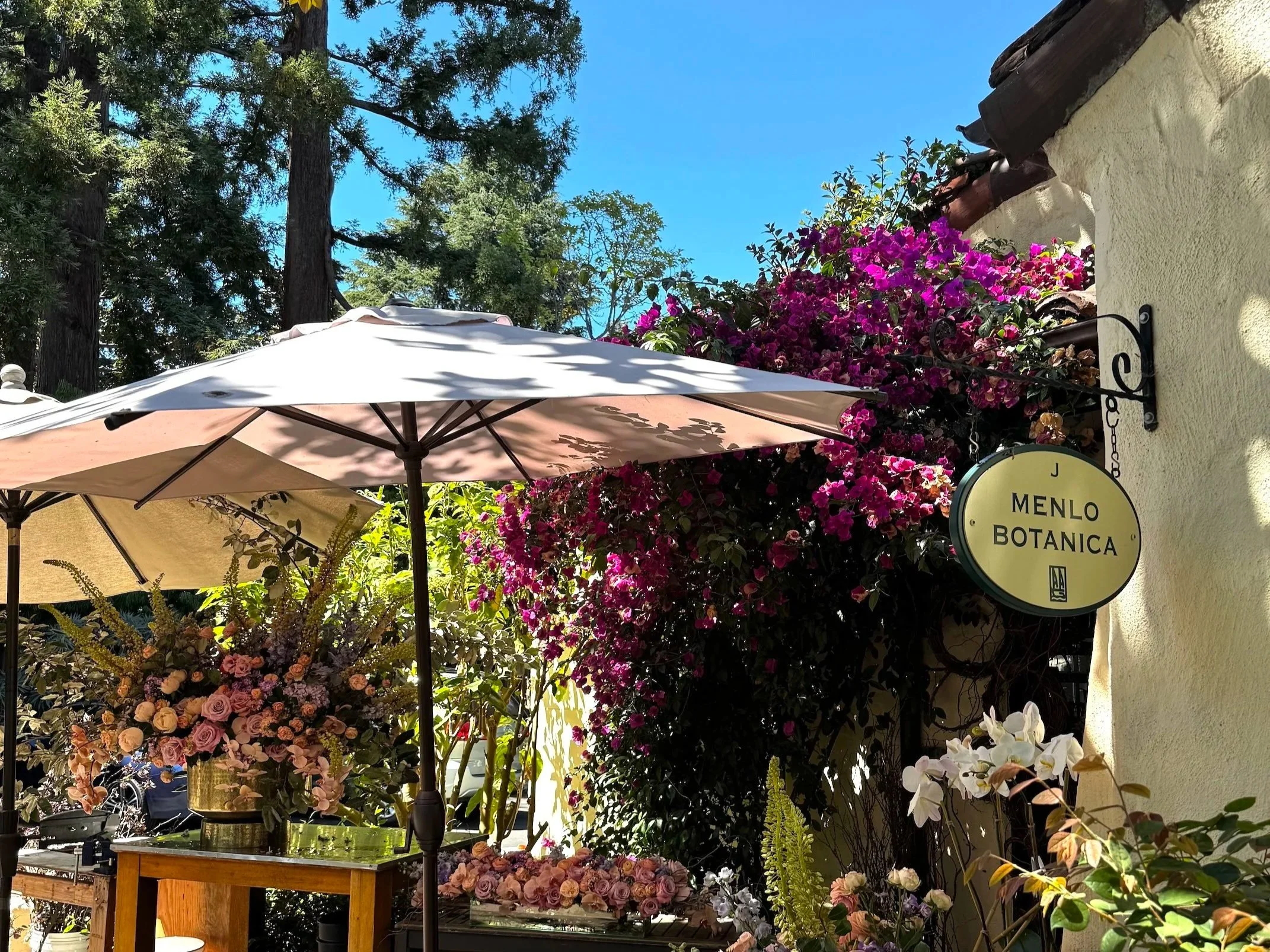
Allied Arts / Downtown Menlo Park
Walkable neighborhoods with a strong community feel and convenient access to dining, retail, and daily services.Central Menlo
Known for close proximity to the Stanford campus, stable residential neighborhoods with strong owner occupancy, and easy access to schools, parks, and everyday community amenities.West Menlo Park
Known for proximity to Atherton, higher-quality housing stock, quiet residential streets, and strong long-term value stability.Sharon Heights
Located near Stanford and Interstate 280, with a golf-course setting and a consistently stable residential environment.
It is important to note that the residential experience can vary meaningfully by neighborhood. Areas closer to Highway 101 may differ in atmosphere, school assignment, and neighborhood character compared with Menlo Park’s more established residential zones. As a result, home selection should be guided by specific location, family priorities, and long-term plans.
Overall, Menlo Park’s housing values are supported by its irreplaceable location, stable school options, and sustained end-user demand—factors that have contributed to relatively resilient performance across market cycles.
Location
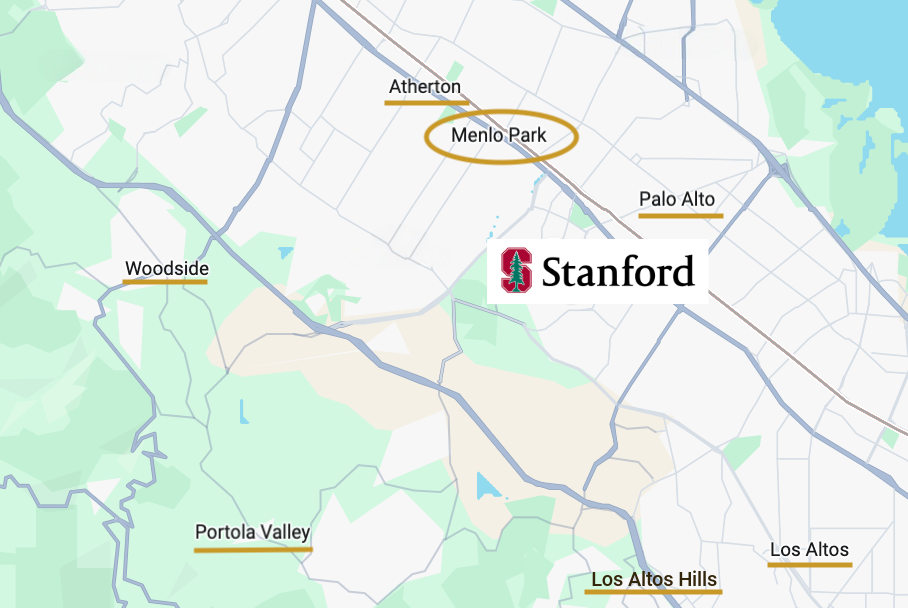
Menlo Park is located on the San Francisco Peninsula, serving as a well-positioned residential city that connects Stanford University, venture capital hubs, major technology employers, and some of Silicon Valley’s most established neighborhoods.
Stanford University — directly adjacent to select Menlo Park neighborhoods; approximately 5–15 minutes from surrounding residential areas
Sand Hill Road (leading venture capital and investment firms) — approximately 5 minutes
Palo Alto — approximately 5–10 minutes
Atherton — immediately adjacent
San Francisco International Airport (SFO) — approximately 30 minutes
Menlo Park offers direct access to both Highway 101 and Interstate 280, providing flexible north–south commuting options across the Peninsula. While maintaining a calm and orderly residential environment, the city benefits from strong location fundamentals, access to education, and everyday convenience—making it one of the Peninsula’s more stable, long-term owner-occupied residential communities.
Residents & Lifestyle Fit
Menlo Park tends to attract residents who value proximity to ideas, institutions, and long-term residential stability, including:
Individuals and families who want to live close to Stanford University, venture capital networks, and major technology employers
Buyers who prefer mature neighborhoods, stable communities, and a measured, rational pace of daily life
High-net-worth households who prioritize long-term value retention and liquidity over short-term speculation
Families drawn to an academic environment and thoughtful, long-range education planning
Owner-occupants who do not require estate-scale land or extreme privacy, and instead value consistency, walkable access, and long-term livability
Living in Menlo Park means finding balance,
between academic depth, innovation, and everyday life.
Here, the city sits alongside Stanford University and the venture capital networks,
yet maintains a calm, well-ordered residential rhythm.
Mature. Refined. Stable, and quietly convenient.
Menlo Park FAQs
-
Menlo Park is valued for its rare balance between proximity to Stanford University, access to venture capital and technology institutions, and a consistently calm, well-established residential environment.
While influenced by Stanford’s academic culture and Silicon Valley’s innovation ecosystem, the city has avoided dense commercial development. Instead, Menlo Park emphasizes long-term livability—prioritizing neighborhood stability, family routines, and quality of daily life over short-term growth.
-
Residential real estate in Menlo Park is primarily composed of single-family homes within mature neighborhoods.
Typical housing characteristics include traditional single-family residences, Craftsman and Mid-Century styles, and newer or thoughtfully redeveloped modern homes. Lot sizes are generally moderate, with an emphasis on usable backyards and family-oriented living.
Compared with estate-scale communities such as Woodside or Atherton, Menlo Park places greater emphasis on neighborhood cohesion, everyday convenience, and long-term owner occupancy.
-
Education in Menlo Park is generally strong, but school assignments are not governed by a single unified K–8 district. Instead, school placement varies by neighborhood and must be evaluated at the address level.
Common K–8 school districts serving Menlo Park include the Menlo Park City School District (MPCSD), the Las Lomitas Elementary School District (LLESD), and, in select areas, the Redwood City School District.
At the high school level, students typically attend schools within the Sequoia Union High School District (SUHSD).
As a result, evaluating education options in Menlo Park requires careful, location-specific consideration.
-
Daily convenience in Menlo Park comes from connectivity rather than commercial density.
The city offers close access to Stanford University, major technology and investment centers, and neighboring communities such as Palo Alto and Atherton. Direct connections to Highway 101 and Interstate 280 support efficient regional commuting, while Downtown Menlo Park and nearby retail centers meet everyday dining and service needs.
This structure allows residents to maintain a quiet, orderly residential lifestyle while remaining closely connected to the Peninsula’s key resources.
-
Menlo Park is well suited for families and professionals who value academic proximity, community stability, and long-term residential quality.
The city attracts residents who wish to live near Stanford and Silicon Valley’s institutional resources, prefer established neighborhoods with a calm residential rhythm, and prioritize education continuity and predictable daily routines. Menlo Park is particularly appealing to owner-occupants seeking balance rather than estate-scale privacy or high-density urban living.